
Design Thinking for Modern Spaces
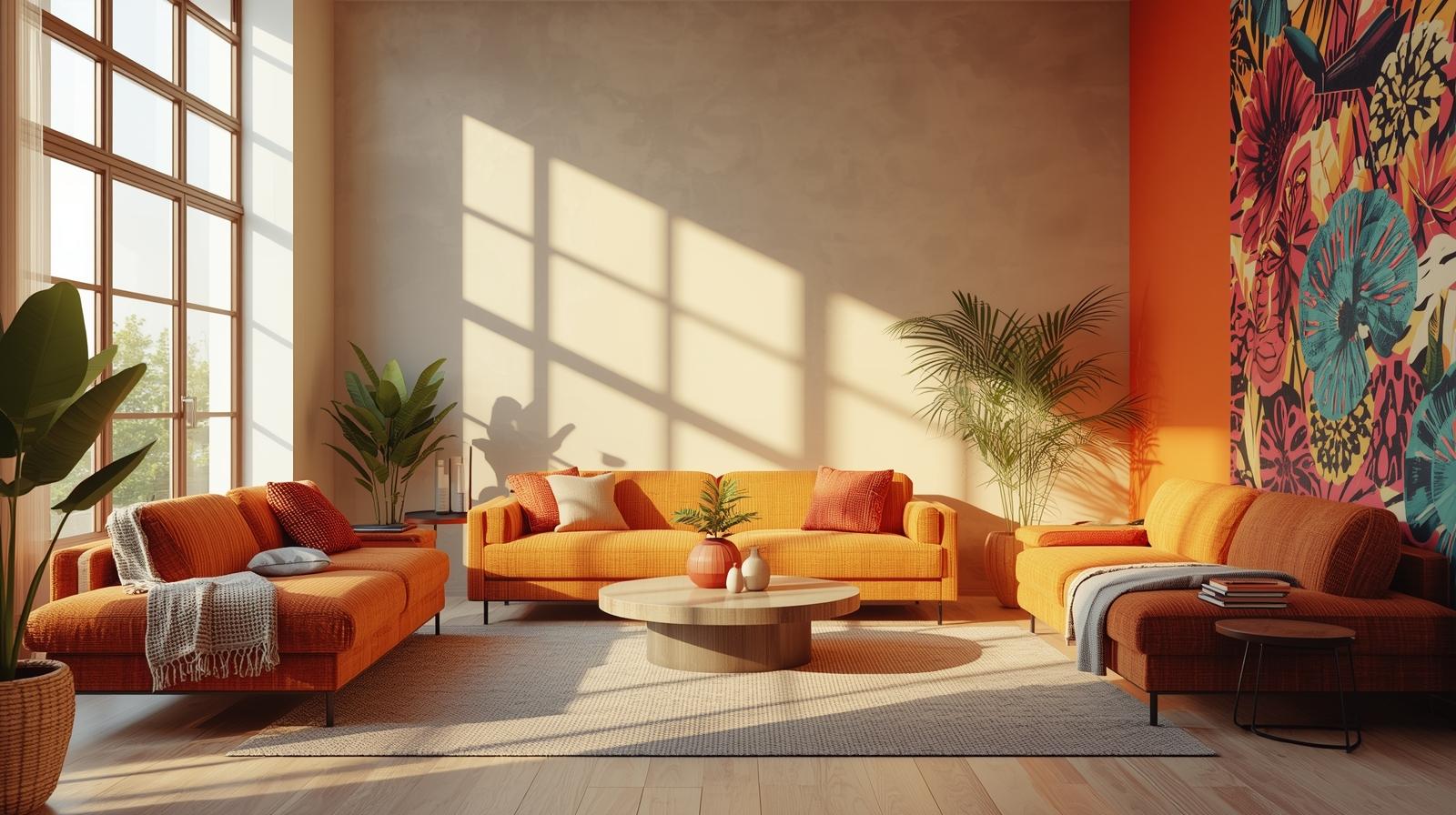
Interior design is a thoughtful balance of creativity, strategy, and functionality. At NIF Global Pimpri Chinchwad, students are introduced early to design thinking principles that help them understand how people experience spaces. They learn to analyze user needs, interpret briefs, and transform ideas into interiors that enhance comfort, efficiency, and visual appeal.
From Concept to Reality
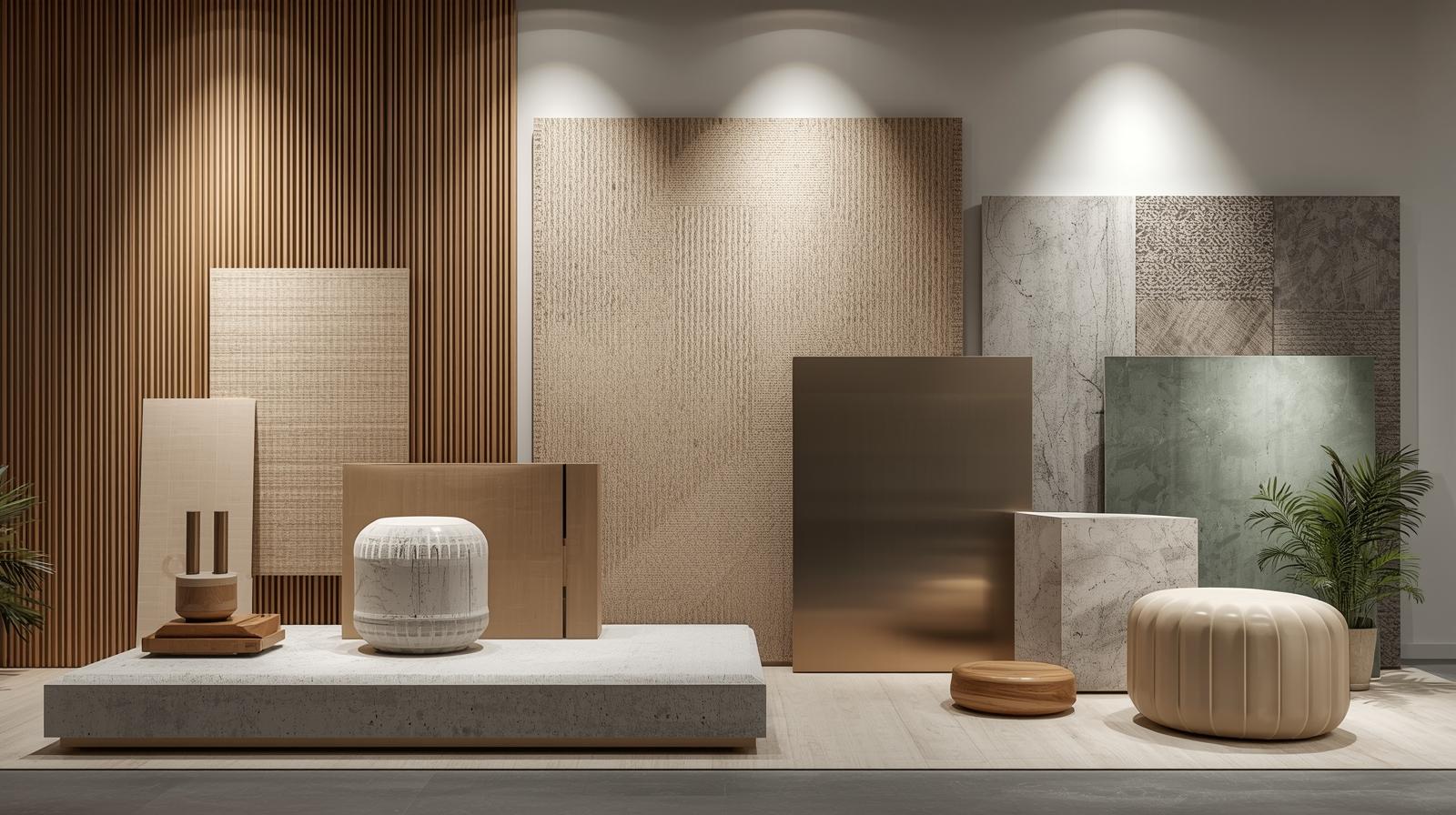
Turning a concept into a functional interior requires a structured design process. Students are guided through concept development, space planning, material selection, and the effective use of lighting, textures, and color palettes. Each phase builds creative confidence while ensuring designs remain practical, purposeful, and user-centric.
Inspiration and Style Exploration
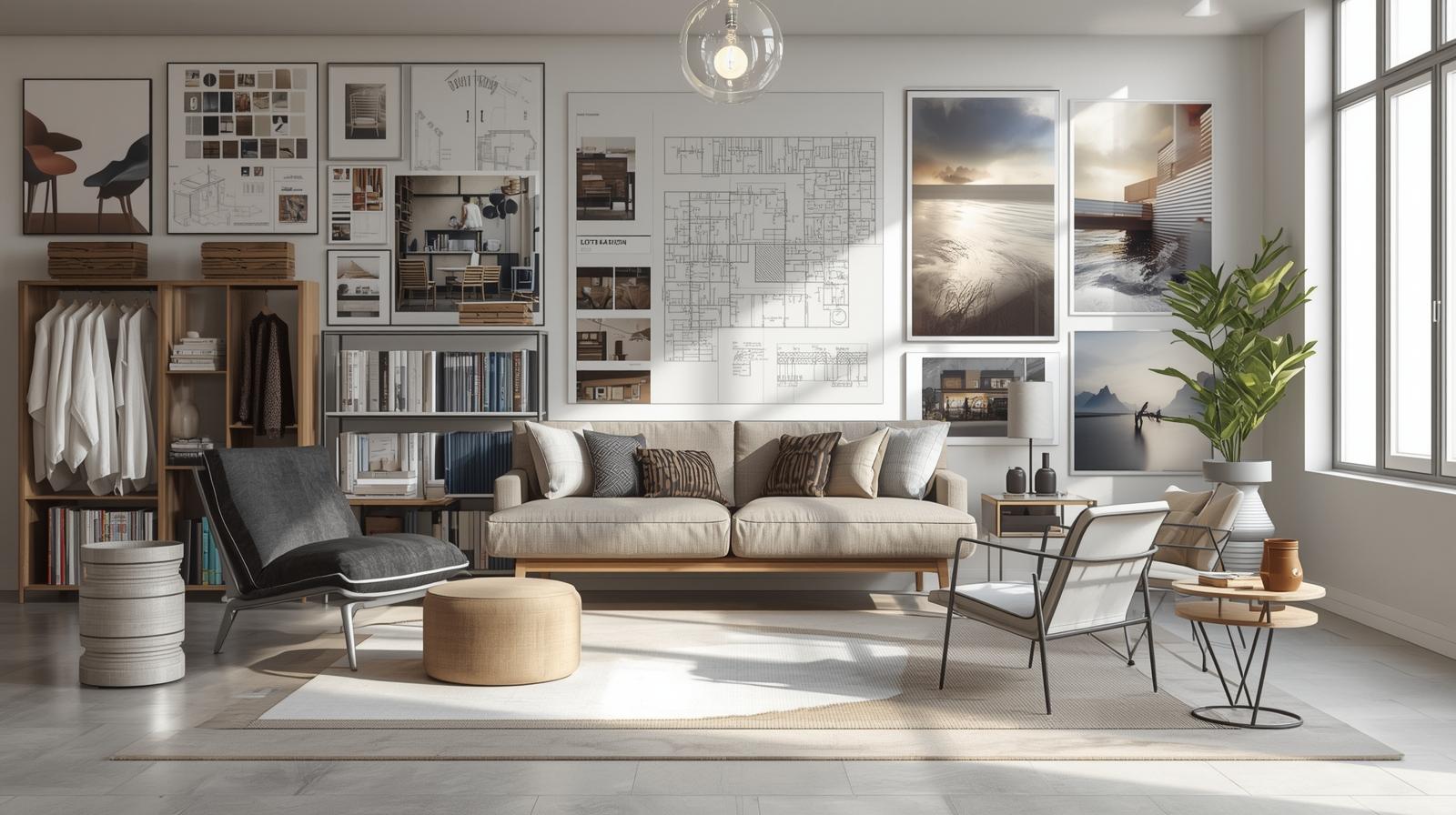
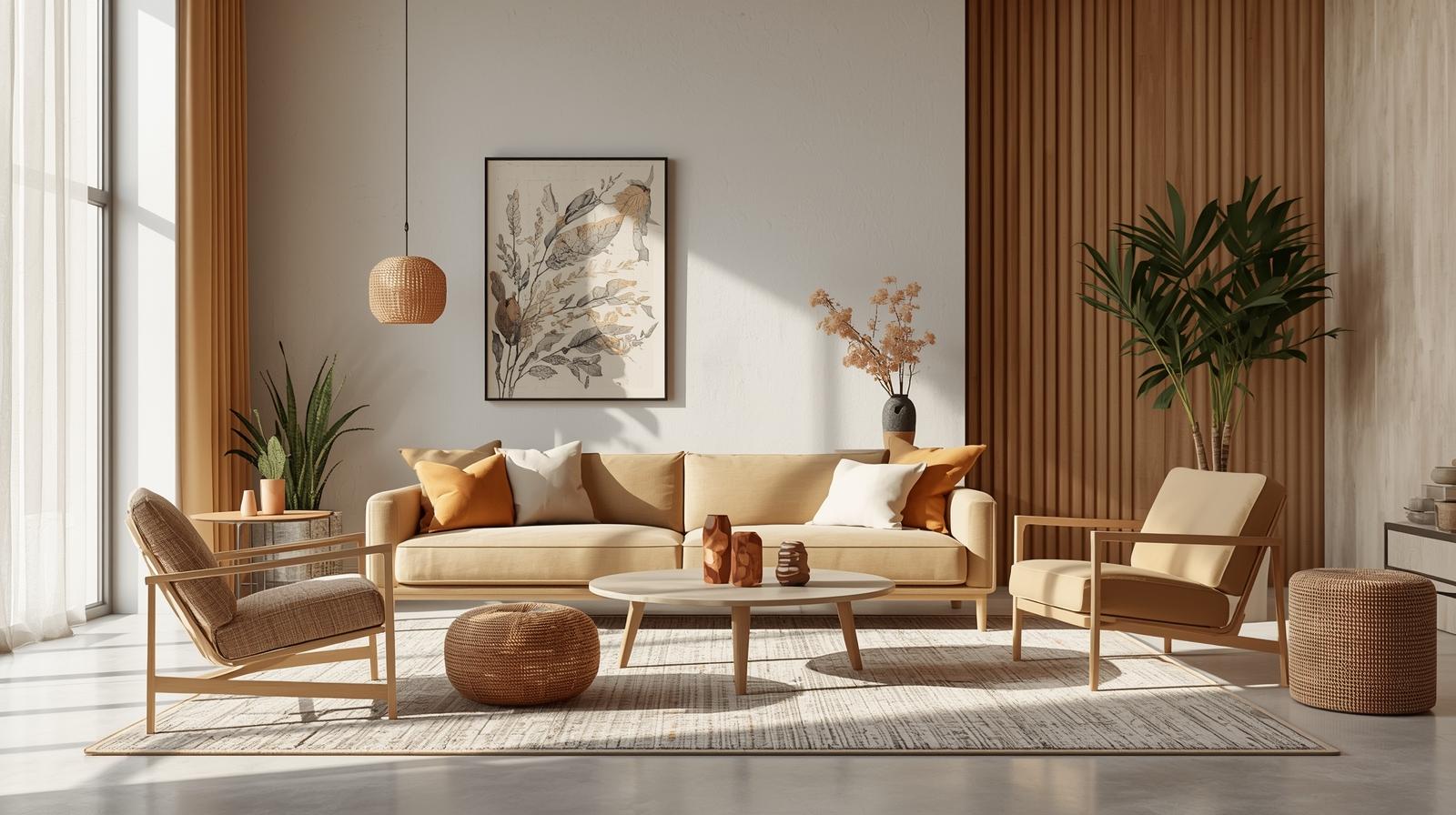
Inspiration is drawn from a wide spectrum of influences including nature, culture, technology, and everyday experiences. Learners explore diverse design styles—from contemporary minimalism to eclectic expressions—while understanding how to adapt aesthetics to varied spaces and client expectations. This process supports the development of a distinctive design sensibility without limiting adaptability.
Sustainable and Innovative Design
Contemporary interiors demand responsibility alongside aesthetics. Students are introduced to sustainable design practices, eco-conscious materials, and energy-efficient solutions. Emphasis on innovation in finishes, furnishings, and spatial solutions encourages experimentation while maintaining environmental sensitivity and functional integrity.

Hands-On Learning and Career Readiness
Practical exposure forms the backbone of interior design education. Through workshops, live projects, and interactive assignments, students gain hands-on experience in spatial planning, 3D visualization, and client communication. This applied learning approach equips them to confidently address real-world design challenges across residential, commercial, and hospitality environments.
