

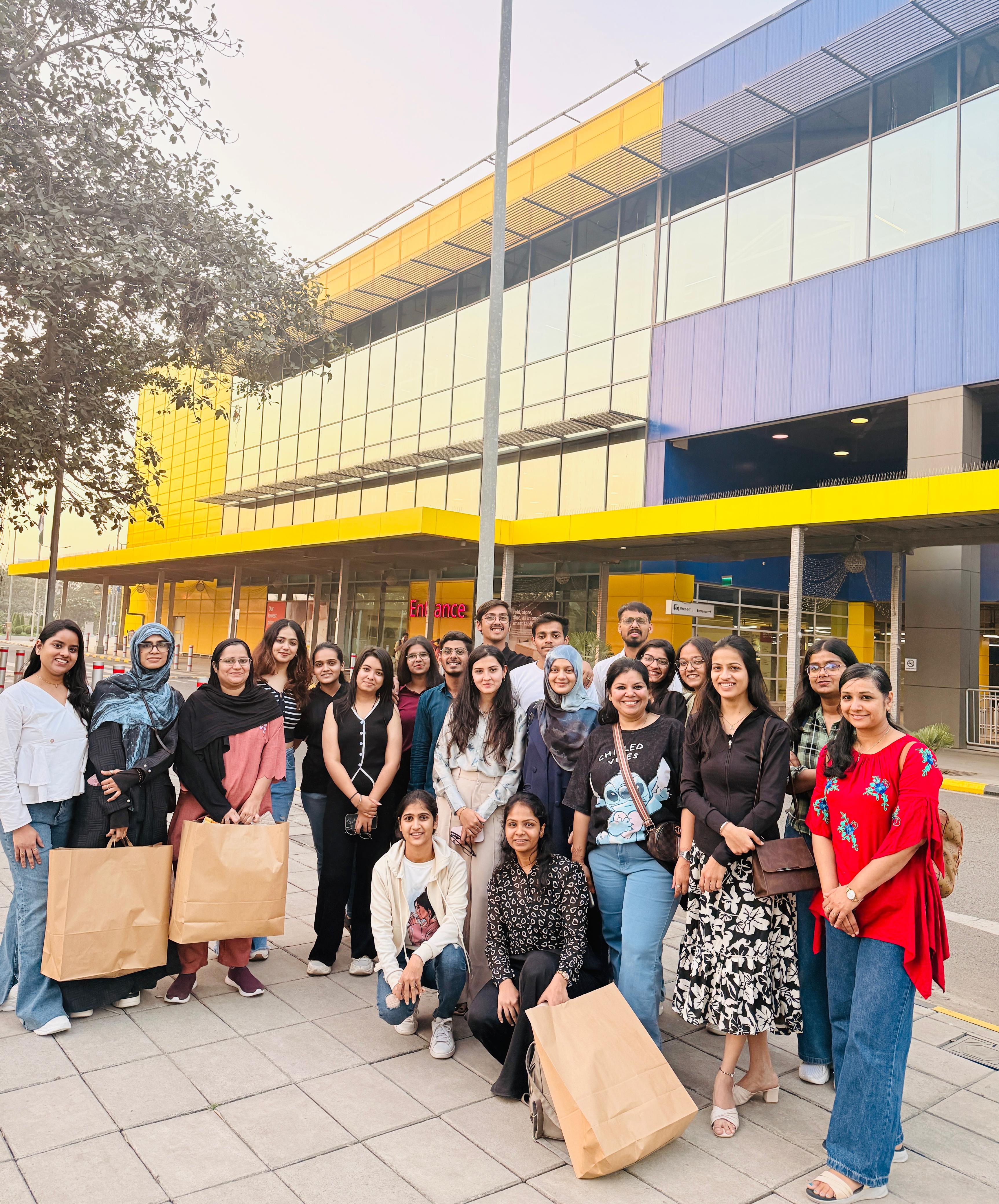
Experiential Learning through Industry Exposure
At NIF Global Pimpri Chinchwad, learning extends far beyond classroom walls to include real-world exposure that strengthens design understanding. As part of this approach, students recently visited IKEA Mumbai to experience contemporary interior design in a live, functional environment. The visit offered students an opportunity to observe how global design concepts translate into everyday living spaces, reinforcing the importance of experiential learning in creative education.
Observing Design Thinking in Real Spaces
During the visit, students explored thoughtfully designed home setups that showcased how functionality, aesthetics, and user-centric planning come together seamlessly. From compact living solutions to expansive room layouts, IKEA’s interiors demonstrated how smart design responds to modern lifestyle needs. Students were encouraged to analyze spatial planning, furniture placement, material usage, and color coordination, gaining valuable insights into practical interior design applications.
.jpeg)
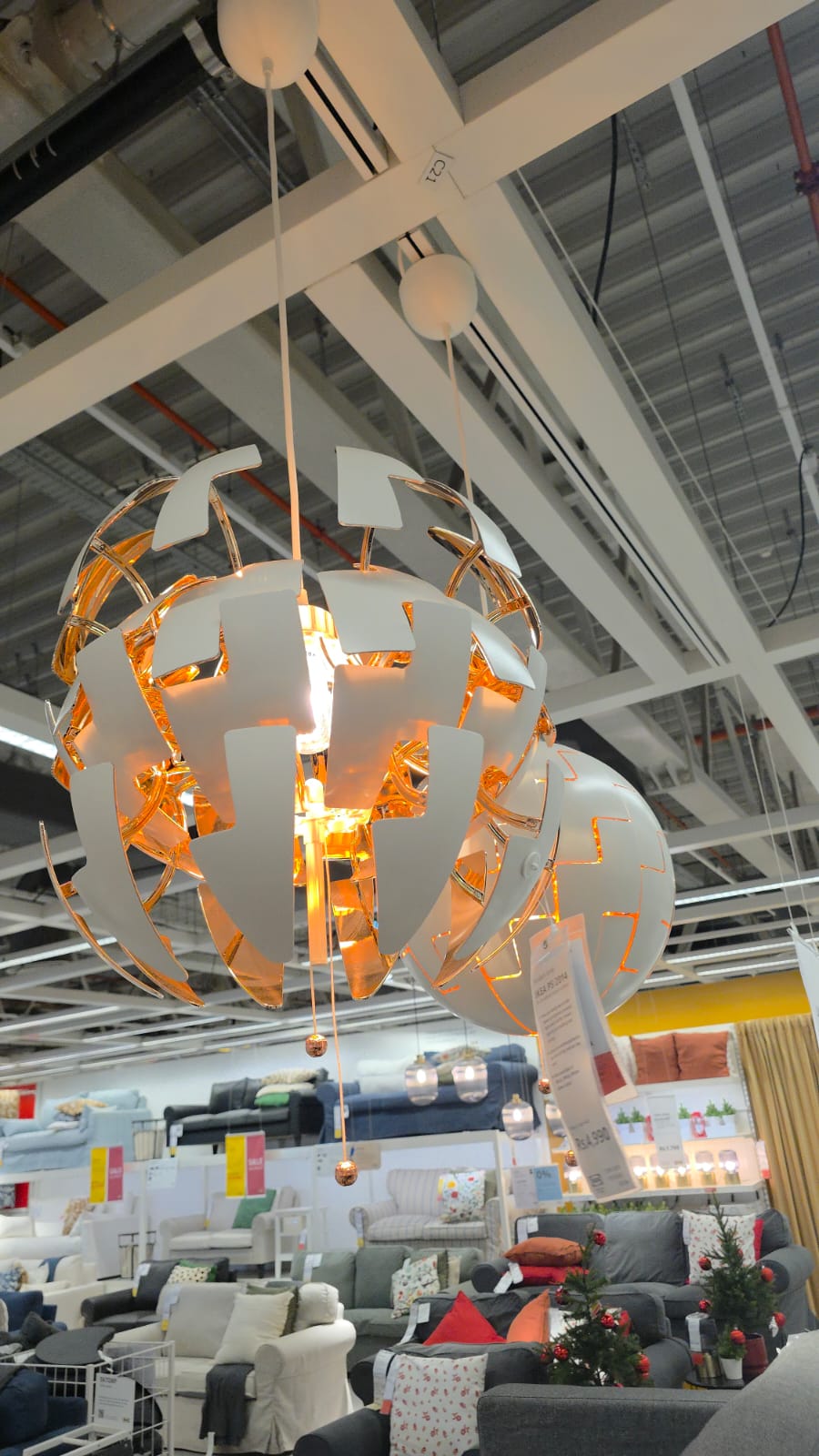
Understanding the Role of Light, Energy, and Atmosphere
A key highlight of the visit was the exploration of atmospheric lighting and its influence on interior environments. Guided by faculty members, students examined how variations in light shape mood, enhance functionality, and alter spatial perception. By observing lighting strategies across different zones, learners gained deeper insight into how illumination reinforces design intent, creates ambience, and elevates the overall sensory experience of a space.
Exploring Materials, Surfaces, and Wall Treatments
The visit also emphasized the use of design elements within the setting, allowing students to observe how finishes, textures, and color treatments come together in real environments. Through this exposure, learners developed an understanding of how coordinated elements shape the overall character and experience of a space.

.jpeg)
Discovering Smart Solutions and Functional Innovation
Students further explored modular kitchens, smart cabinet layouts, and built-in solutions designed for convenience and efficiency. Observing innovative storage systems and modern kitchen planning helped students appreciate how design responds to practical needs without compromising aesthetics. These insights reinforced the importance of designing spaces that are intuitive, adaptable, and user-friendly.
